作者: hobilian@gmail.com

The Rise of Small Language Models: Efficiency, Specialization, and the Future of AI

Massive AI models have long been at the forefront of technological advancements, but small language models (SLMs) are quickly gaining traction as a viable alternative. These models strike a balance between efficiency and precision, offering a promising solution for various industries. This article explores the growing trend of SLMs, their key advantages, recent technological breakthroughs, and the transformative impact they are having across diverse sectors.

Read More
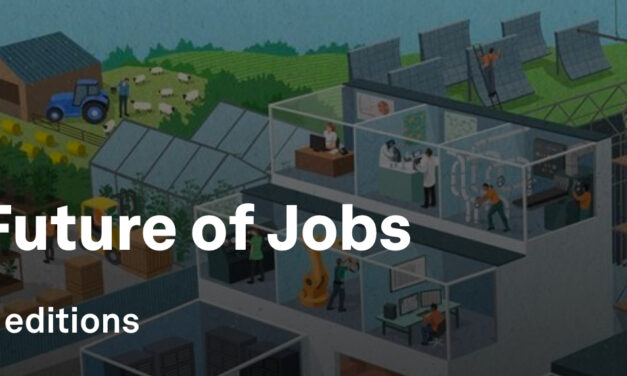

The Future of Jobs Report 2025: What Roles Will AI Replace, and What New Opportunities Will Arise?

AI has become a game-changer for how we live and work. The World Economic Forum’s “Future of Jobs Report 2025” predicts major shifts in the global job market by 2030. On the one hand, AI and automation will take over repetitive and predictable tasks, leading to a drop in demand for certain roles. On the other hand, this same tech is creating a need for jobs that require creativity, critical thinking, and emotional intelligence.

Read More

Microsoft’s Latest Breakthrough: How Agentic AI is Reshaping the Future of Retail – And It’s Ready Now

Microsoft’s introduction of “Agentic AI” promises to revolutionize retail by streamlining operations, enhancing customer interactions, and creating a more personalized shopping journey. However, this innovation not only challenges traditional competitors but also reshapes how everyday consumers experience shopping. With agentic AI, the future of retail isn’t tomorrow—it’s today.

Read More

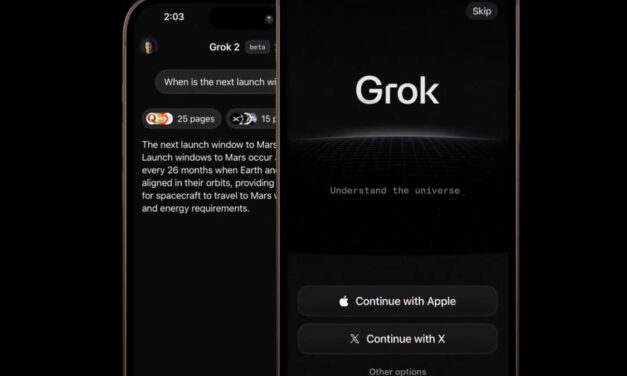
Elon Musk’s xAI Grok Chatbot: Now Available for Free 

Elon Musk’s xAI has released its highly anticipated “Grok” chatbot as a free app, aiming to challenge industry titans with its unique approach to AI. By integrating real-time updates with a controversial yet captivating personality, Grok signals a new chapter in conversational AI that goes beyond mere assistance—ushering in a paradigm of dynamic, opinionated, and unrestricted responses. What does this mean for the future of AI, and how will it redefine user interactions?

Read More