作者: hobilian@gmail.com

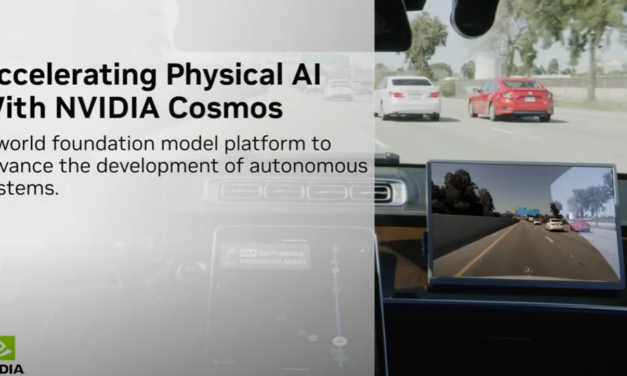
Jensen Huang Unveils NVIDIA’s “Cosmos Platform” to Advance Autonomous Vehicles and Robotic AI

At the 2025 Consumer Electronics Show (CES) in Las Vegas, NVIDIA took center stage once again with an unveiling that promises to reshape the future of robotics and autonomous systems. CEO Jensen Huang introduced Cosmos, a groundbreaking platform designed to accelerate the development of “physical AI”—a term used to describe AI systems embedded in physical entities, such as humanoid robots, industrial machines, and self-driving vehicles. This unveiling not only highlights NVIDIA’s relentless innovation in artificial intelligence but also underscores its commitment to solving some of the most complex challenges in robotics.

Read More

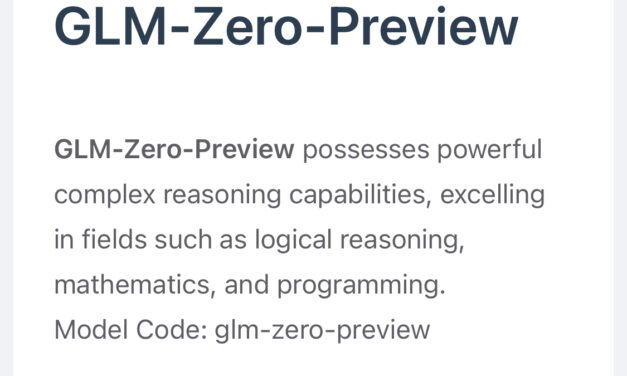
What is GLM-Zero-Preview?

GLM-Zero-Preview is a cutting-edge AI reasoning model developed by Zhipu AI, designed to excel in tasks requiring deep reasoning, such as mathematical logic and coding challenges. Launched in late 2024, it has already shown impressive performance in several benchmarks, rivaling top-tier models like OpenAI’s preview versions. Available for public use on the “Zhipu Qingyan” platform, this model promises to be a game-changer in advancing reasoning capabilities while maintaining robust performance in general tasks.

Read More

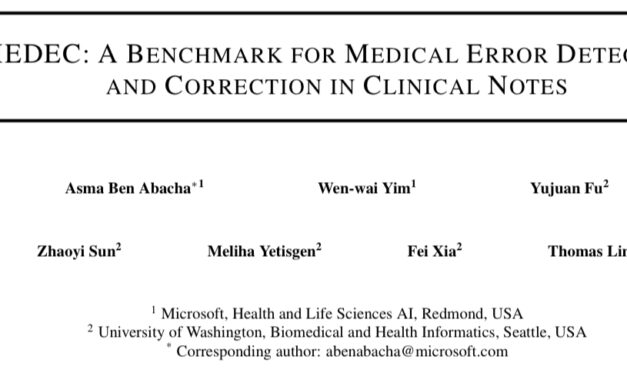
Has Microsoft Leaked OpenAI’s Model Details?

In a recent turn of events, Microsoft has stirred discussions within the AI community after releasing reports that estimate the parameter sizes of various prominent AI models, including OpenAI’s undisclosed GPT iterations. These figures have sparked debates over transparency, intellectual property, and the future direction of AI development. From speculations about Claude 3.5’s massive 1.75 trillion parameters to the surprising estimate of only 8 billion parameters for OpenAI’s GPT-4o Mini, the report sheds light on the potential inner workings of advanced language models. But what do these numbers actually mean for the future of AI? And will this lead to an inevitable shift toward greater transparency and open-source collaboration?

Read More